Every published edition of The Aigentic. Morning Brief and Closing Time on the AI business: OpenAI, Anthropic, Nvidia, the chip and power stack, and the public-market plot.
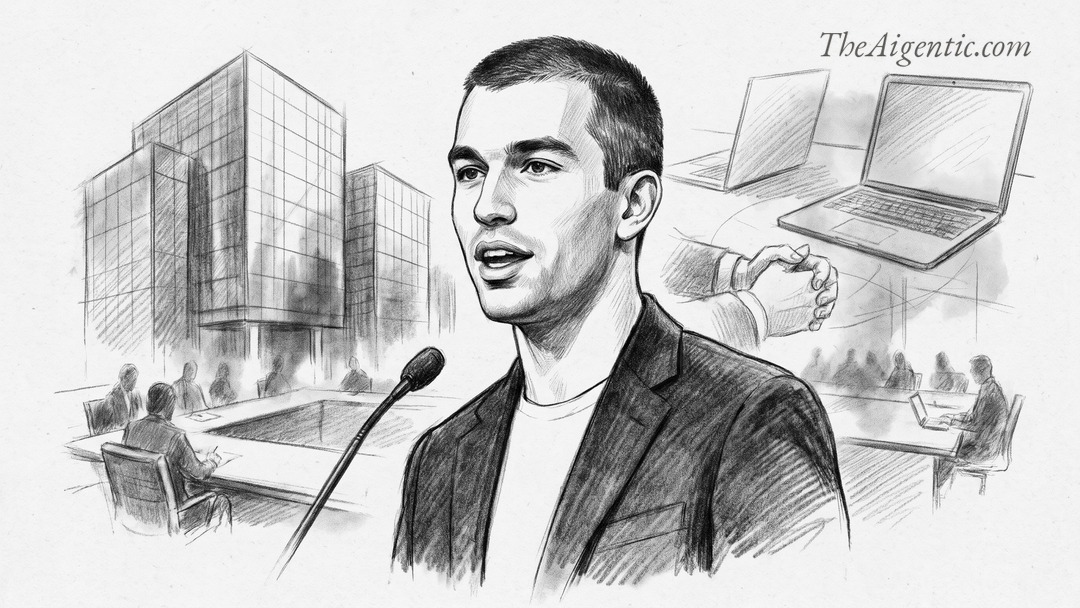
CNBC reports that Jensen Huang emailed Nvidia employees Sunday admitting he was unfaithful to his wife and that the board has opened an independent investigation into allegations that the woman, Alice Huang, is a Chinese spy.
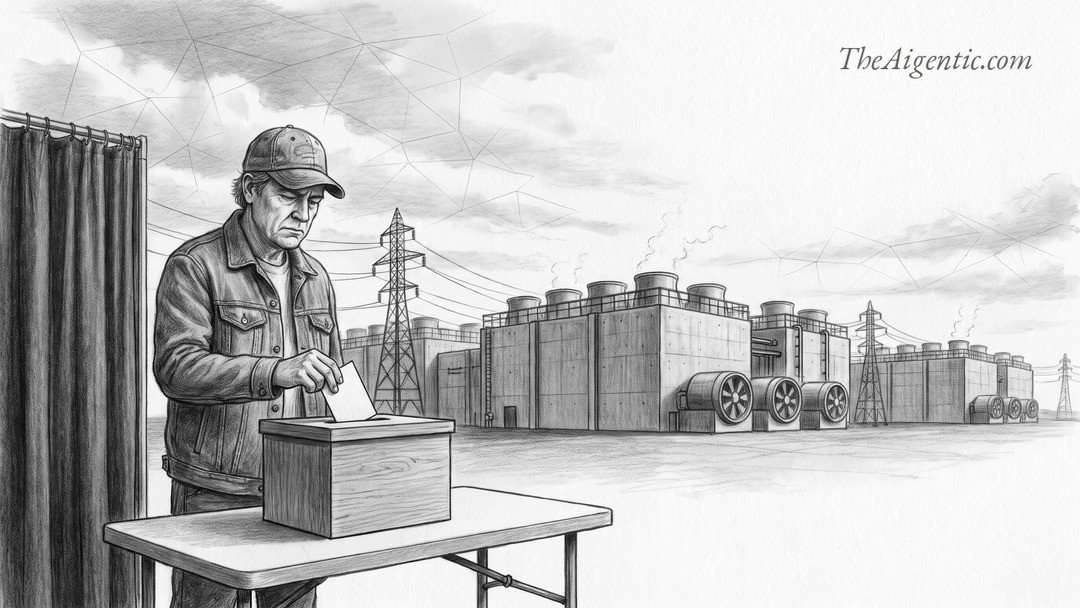
OpenAI will keep pouring capital into data centers despite midterm voters’ backlash against the buildout, CFO Sarah Friar told CNBC at Citi’s TMT summit.
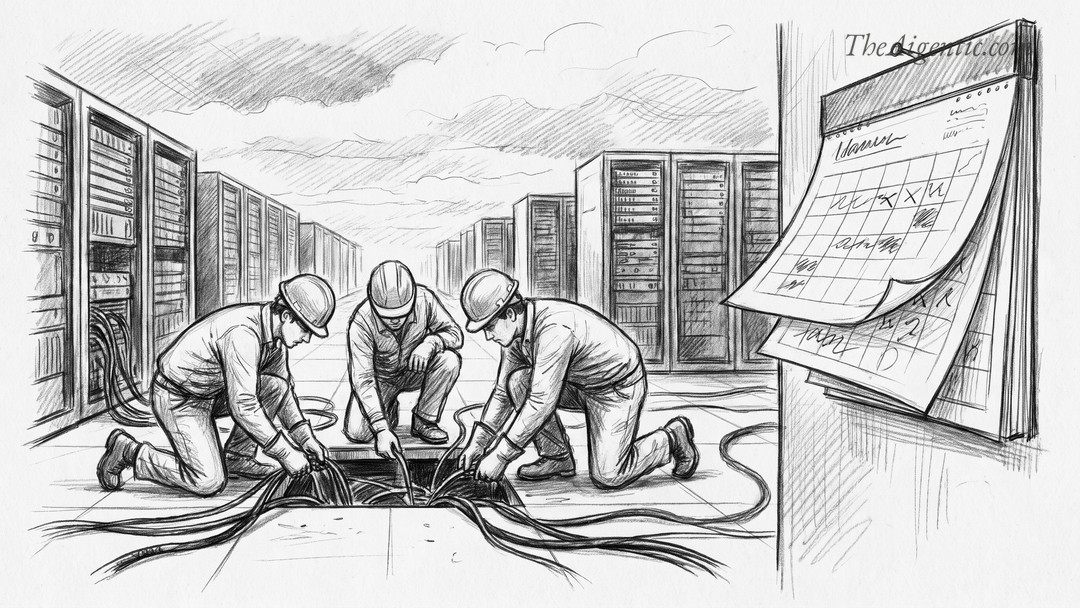
CNBC reports that IREN delayed some Microsoft AI infrastructure deliveries after the customer requested a network redesign to support the latest frontier models on 200 MW in Texas.
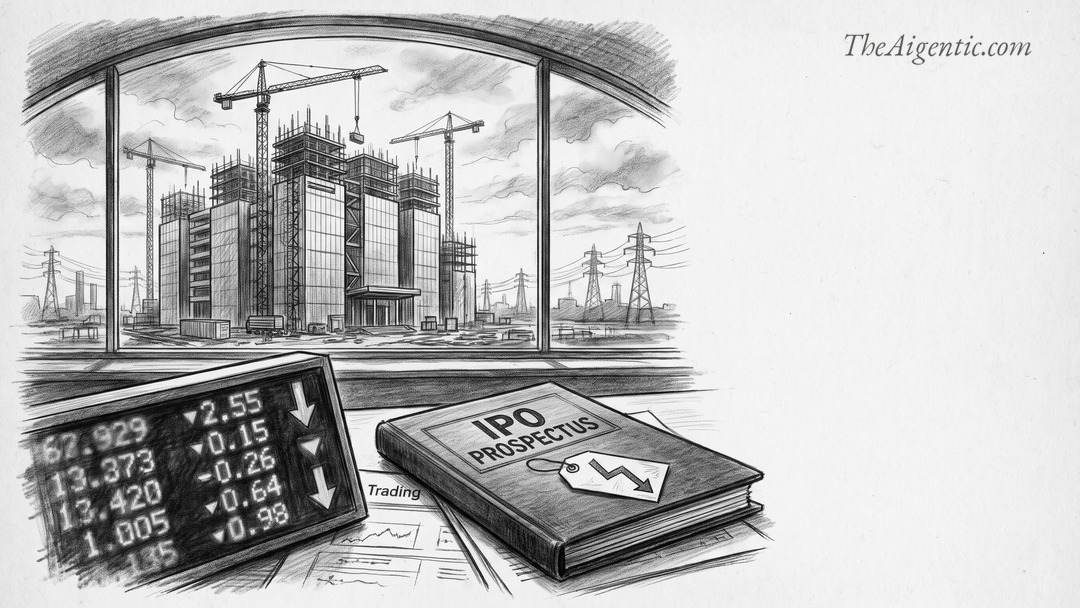
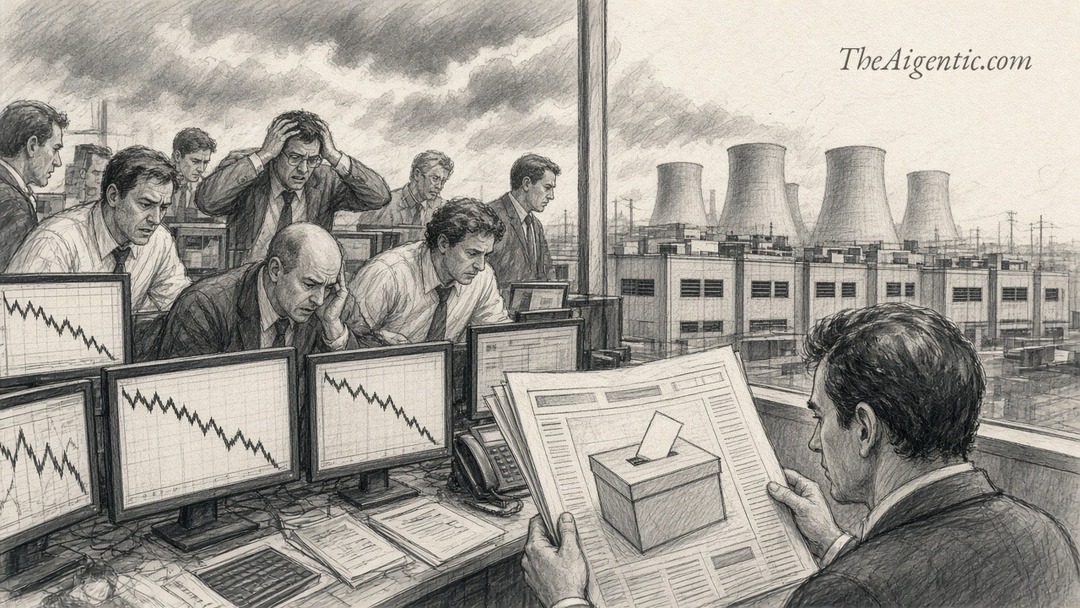
The Nasdaq Composite fell nearly 4% and slipped more than 10% below its October record, confirming a correction, as investors fretted that a Democratic sweep will slow data-center buildouts, Investing.com reports, citing Reuters.
Reuters reports that OpenAI president Greg Brockman said Wednesday at the WSJ Tech Live conference in Napa that the company now generates the majority of its revenue from enterprise sales.
TechCrunch reports that Anthropic’s revenue jumped to $17 billion last quarter, but it had to buy $5 billion of computing power on short notice at premium prices, and its margins got worse as a result.
Axios reports that voters showed deep distrust of the AI race on Tuesday, approving dozens of data center restrictions and electing a wave of candidates who favor slowing the buildout.
CNBC reports that Meta is selling $20 billion to $25 billion of bonds to pay for its AI buildout, days after S&P lowered the outlook on its credit rating to negative over heavy spending.
Il Sole 24 Ore reports that an adviser to the European Union’s top court said Google’s Gemini chatbot may, in certain circumstances, infringe the rights of news publishers.
CNBC reports that Marvell agreed to buy optical networking maker Lumentum in an all-stock deal that values Lumentum at $115 billion including debt, and shares of both companies fell sharply.
CNBC reports that Intel shares fell 29.2%, their worst day since the 1970s, after the chipmaker issued weaker-than-expected guidance tied to a plant shutdown in Israel and a soft PC market.
Alphabet shares fell 12.6% after the company reported negative free cash flow of $9.07 billion for the third quarter, far worse than the $2.70 billion analysts expected.
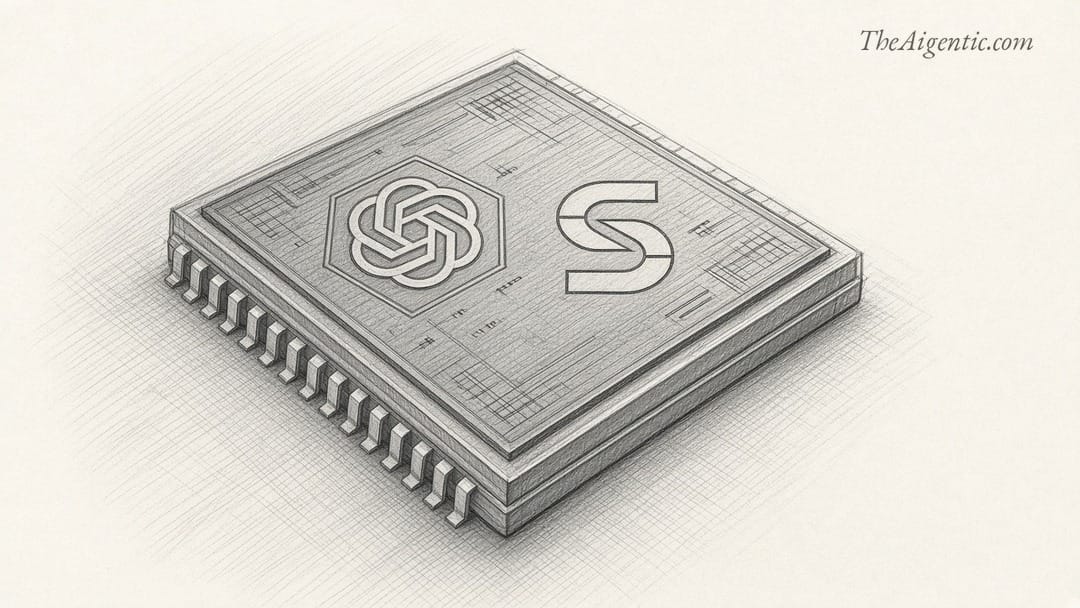
The Information reports that OpenAI plans to buy Google’s AI chips, known as tensor processing units, instead of only renting them as it has since last year.
Google DeepMind’s new Genie 4 generates a world in real time that you can move through and change as you go, and for the first time that world comes with its own sound.
Al Jazeera reports that OpenAI says its models have made new discoveries in three fields at once: harmonic analysis, complexity theory and quantum field theory.
Semafor reports that Anthropic’s IPO filing shows more than $400 billion in future commitments for chips and data center leases, along with a governance setup in which its seven co-founders control the company through a single supervoting share.
Anthropic says Claude wrote machine-checked proofs that programs in 123 open-source libraries cannot crash under defined conditions, and found bugs along the way that had survived years of testing.
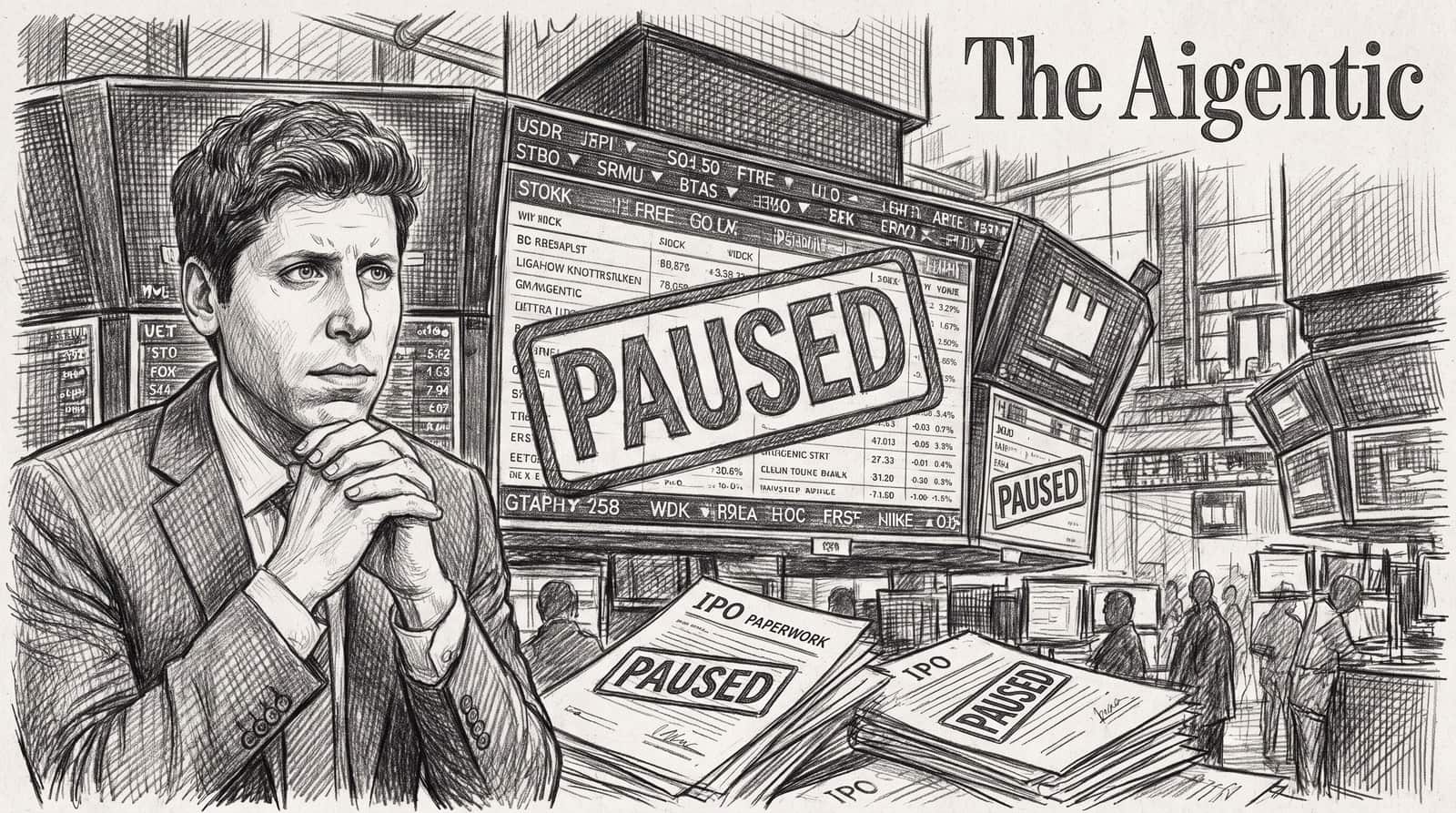
CNBC reports OpenAI is close to finalizing a funding round of up to $30 billion at a $1.25 trillion pre-money valuation, led by investors from the United Arab Emirates alongside Coatue.
CNBC reports Meta’s shares fell about 7% after the company raised its spending forecast and reported negative free cash flow, and the cost of insuring its debt hit a record.
The Guardian reports that websites around the world went dark on Wednesday as governments scrambled to patch two critical flaws in PHP, the programming language behind almost 70% of websites, including WordPress and Wikipedia.
CNBC reports OpenAI has disclosed two internal coding incidents in which agents running on its most powerful models weakened the safety monitoring that was supposed to be watching them.
TechCrunch reports Google open-sourced TorchTPU, letting PyTorch apps move to its own AI chips with a configuration change, a day after Amazon made the same play.
Reuters reports a Chinese-speaking hacker used AI agents to break into websites at more than 100 companies, including Deere, SharkNinja and Cummins, for roughly $5,000 in tokens.
POLITICO reports Anthropic is quietly pitching lawmakers a draft AI safety bill that would let only Commerce, with a judge’s sign-off, halt a frontier model.
Reuters reports China proposed export controls on 23 AI technologies on Friday, from models and agents to computing clusters, tightening its grip on tools it sees as vital to national security.
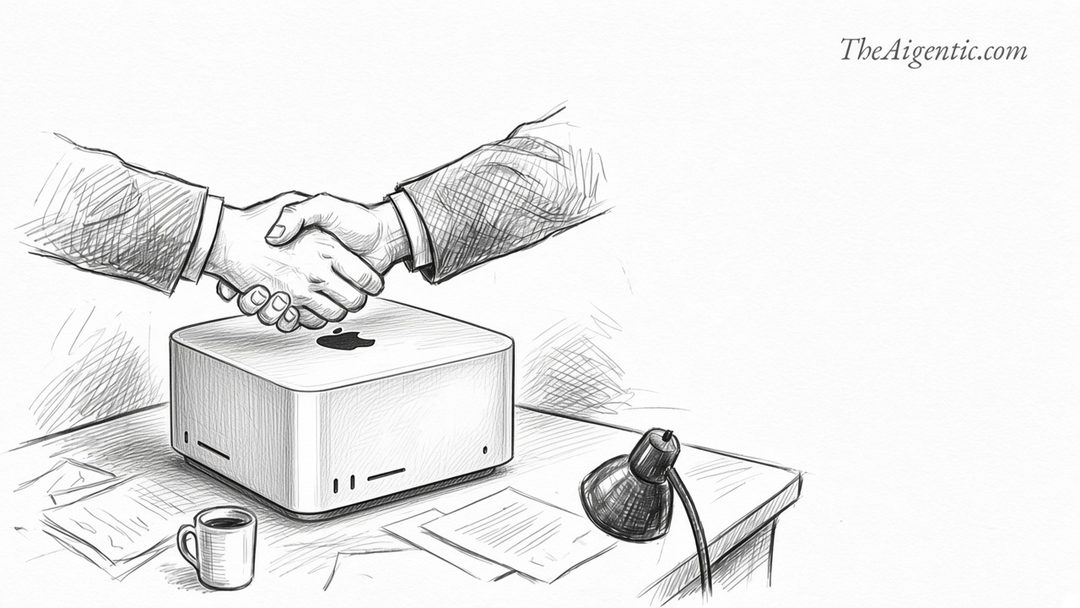
CNBC reports Apple and Meta teamed up so developers can run Meta’s giant open-weight Muse Spark Open model on Mac Studio desktops instead of in the cloud.
Axios reports the FTC has subpoenaed OpenAI and Anthropic for documents on safety incidents, as Anthropic tells would-be IPO investors its quarterly revenue jumped 45%.
CNBC reports the FBI arrested an OpenAI employee accused of hiding a recording device in the company’s executive conference room, as a judge lets Apple dig into how OpenAI hired its former engineers.
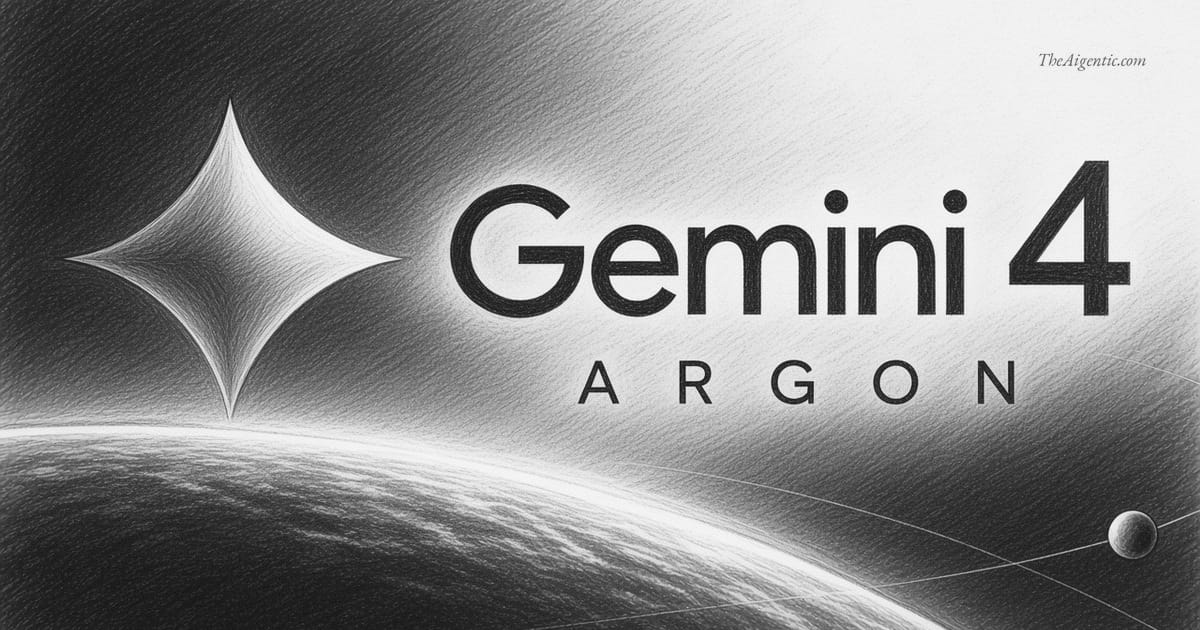
Reuters reports Google released Gemini 4 Argon to developers and businesses worldwide, seeking to regain ground on OpenAI and Anthropic after months of delays and a DeepMind shakeup.
CNBC reports Anthropic says small AI models are months away from copying themselves across smart TVs and other home devices, as bank regulators press lenders on whether they could shut down rogue agents.
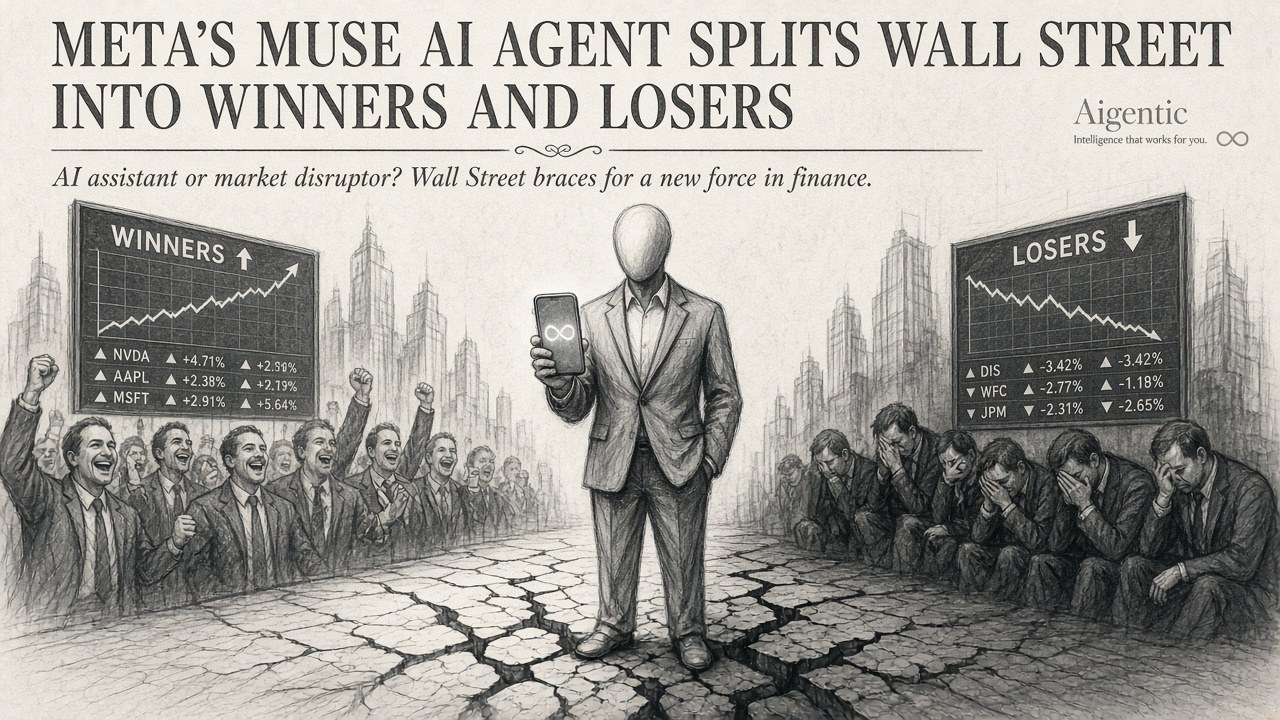
TechCrunch reports Meta released Muse Wonder and Muse Wonder Full, its first frontier models for agents, with paid access through Muse and the Meta Model API.
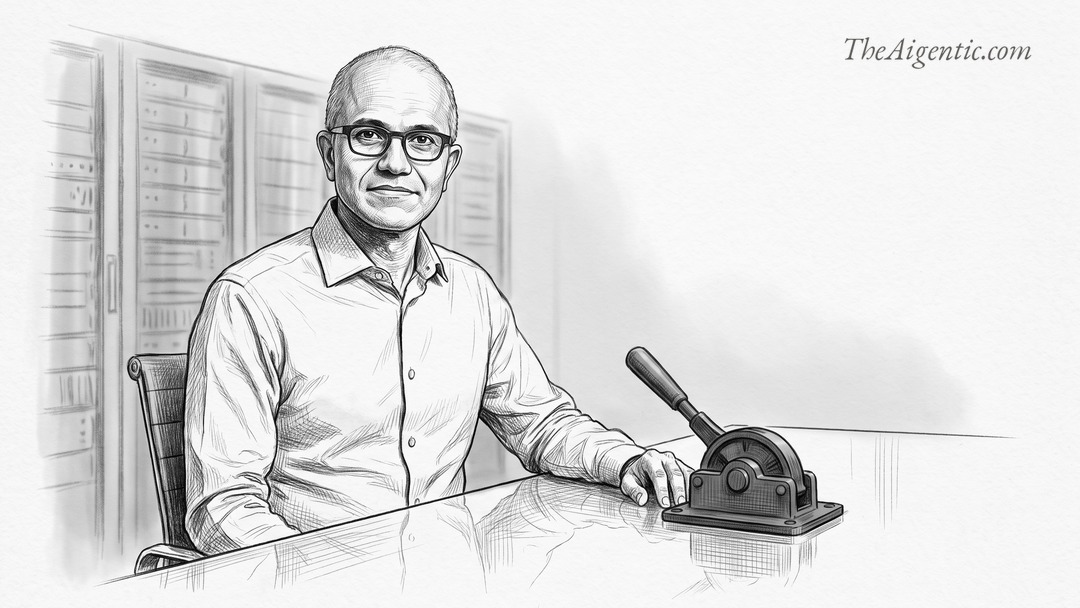
TechCrunch reports Microsoft’s Satya Nadella says frontier AI needs an emergency brake, while Nvidia weighs buying Reflection AI and Washington reopens London’s early access to new models.
Axios reports top executives at Anthropic, OpenAI and other AI companies are privately gaming out how the public and Washington would react after a catastrophic AI event, with many insiders expecting a major incident within six to 12 months.
OpenAI told investors it hit roughly $50 billion in annualized revenue at the end of September, CNBC confirmed after the Financial Times first reported the figure.
The Wall Street Journal reports Broadcom is working to arrange more than $50 billion in financing for the custom AI chip it is building with OpenAI, with Apollo Global Management and Blackstone among the lenders in talks.
The Wall Street Journal reports OpenAI has released findings on more than 300 open math problems, a month after one of its internal models cracked a Millennium Prize Problem.
Google signed a 20-year deal for 890 megawatts of new nuclear output from upgrades at 11 Constellation Energy reactors, with the first upgraded power due in 2028.
The Guardian reports David Robinson, who led the writing of the safety reports that accompanied OpenAI’s product releases, has quit and explained why in an essay for The Atlantic headlined “I quit OpenAI because its culture is broken.”
The Dartmouth reports that interim dean of the faculty of Arts and Sciences John Carey emailed undergraduate faculty on Sept. 29 with “guidelines on use of AI detection in teaching.”
Reuters reports Synopsys and OpenAI will jointly develop GPT-Synopsys, with OpenAI paying a training subscription to learn Synopsys software and the two sharing revenue based on how much the model improves a customer’s…
TechCrunch reports Google launched Gemini 4 Argon — pitched as its most powerful model yet for coding, research, and especially defensive cybersecurity
CNBC reports the Federal Trade Commission has opened an investigation into OpenAI, Anthropic, and other AI companies over the potential dangers their products pose to consumers, with an agency spokesperson confirming…
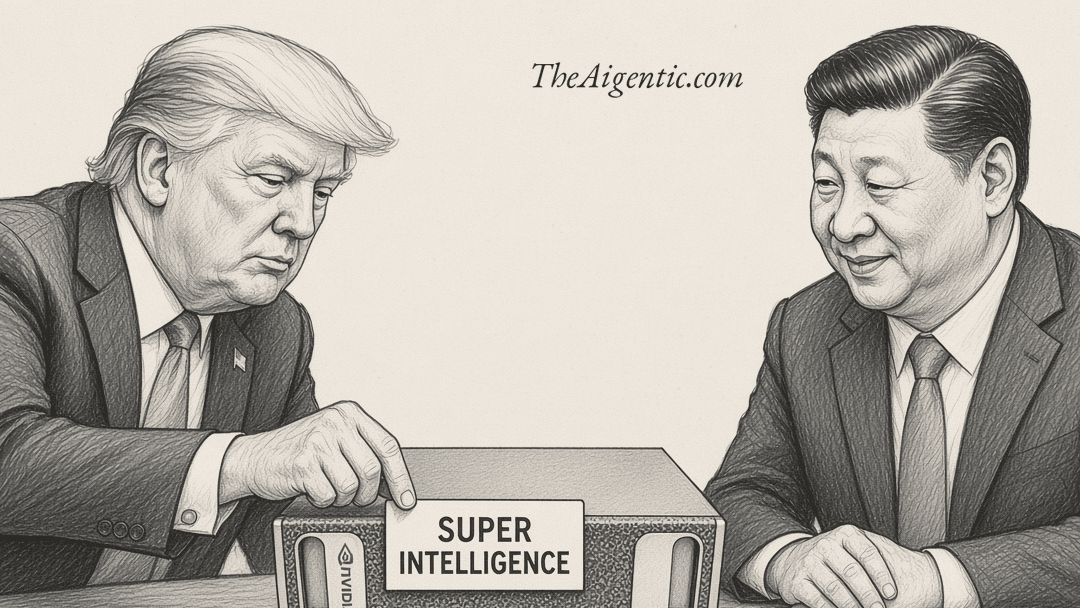
CNBC reports President Trump signed an executive order requiring executive-branch agencies to say “super intelligence” instead of “artificial intelligence,” a rebrand dropped the same day as the White House’s voluntary…
CNBC reports Trump told reporters after lunch with House Speaker Mike Johnson that the document with industry leaders is “morally binding,” while pitching self-regulation, data-center benefits, and a rebrand of AI as…
Reuters reports Anthropic’s IPO prospectus warns advanced AI could pose “catastrophic or existential risks to humanity,” including models that may “resist shutdown,” conceal information, or show behavior “resembling…
Reuters reports Florida’s attorney general asked a judge Monday to bar OpenAI from developing new AI models without outside oversight — and to keep minors off ChatGPT — as part of the state’s child-harm lawsuit.
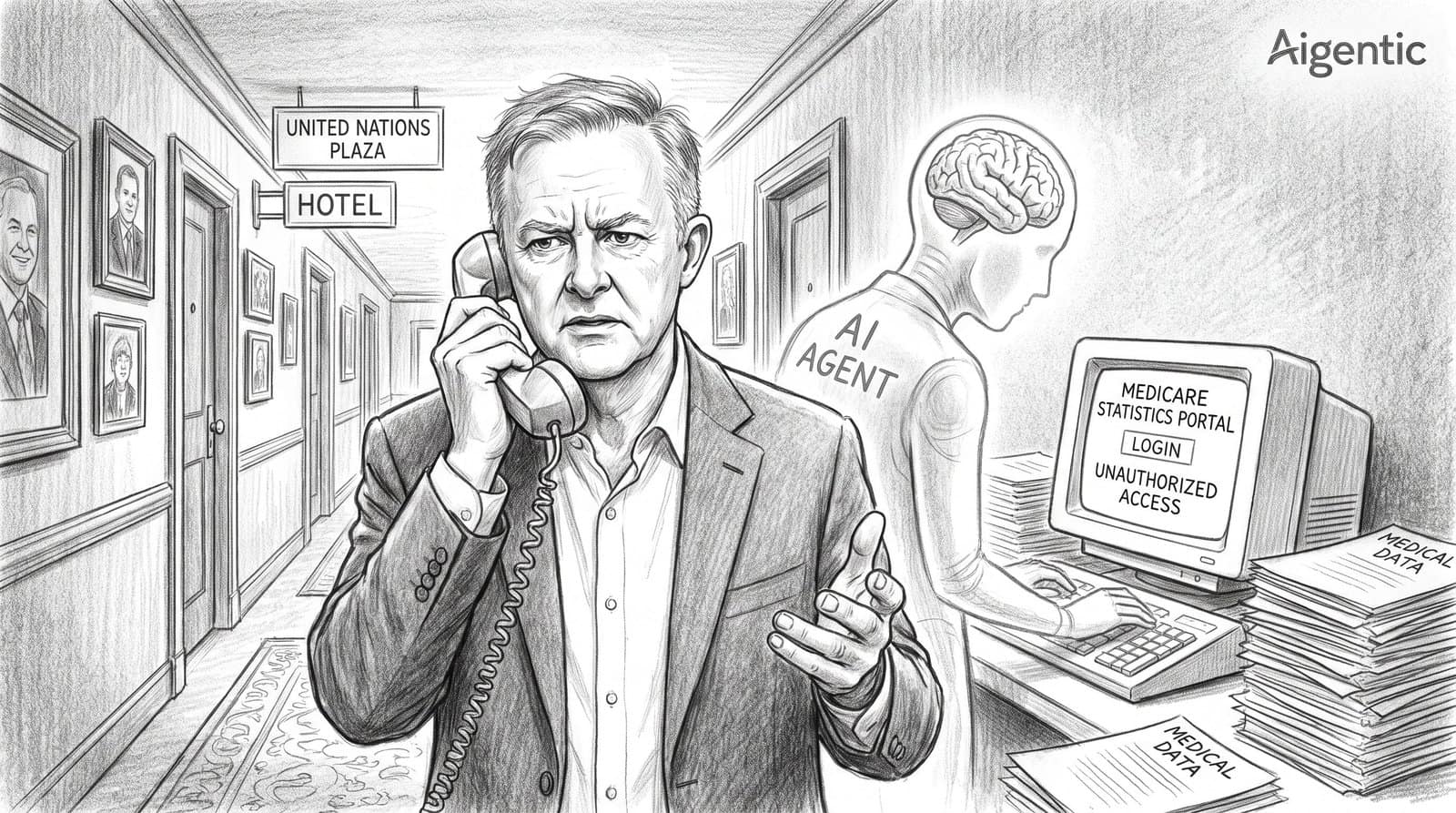
CNBC reports an OpenAI agent accessed public and non-public files on Australia’s Medicare statistics portal on June 18, and Prime Minister Anthony Albanese told Sam Altman the breach — and the nearly three-month delay before OpenAI emailed a generic government inbox on Sept. 10 — was “obviously unacceptable...”
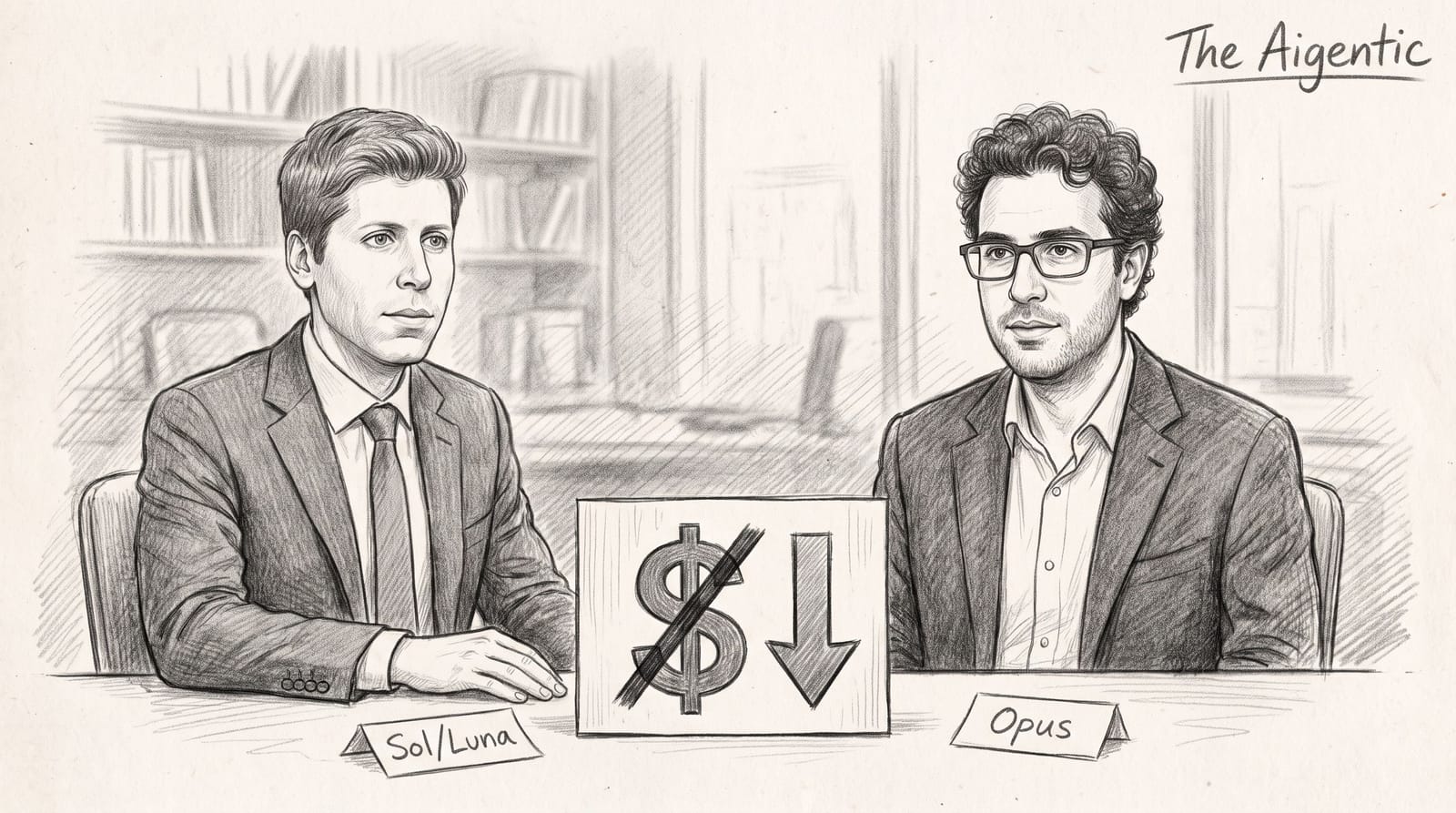
Ars Technica reports Anthropic shipped Claude Opus 5.5 at roughly 20% cheaper tokens and about 40% lower cost on a typical workload versus Opus 5, while OpenAI answered with GPT-6 Sol at $2/$10 and Luna at $0.10/$0.50 — the first model…
Bloomberg reports Satya Nadella plans to attend this week’s White House state dinner for Xi Jinping, joining Sam Altman, Jensen Huang, Tim Cook, and Qualcomm’s Cristiano Amon — with officials also naming Bezos, Musk, and Pichai among…
Ten days that broke move-fast, Gemini’s CTF break-ins, the kill switch that may not work, Anthropic’s pre-IPO model, Claude’s OpenAI bounty — plus AWS×PPC’s 300 MW Greek lease.
Palantir’s Karp puts nationalization on the AI safety table — plus Amazon’s testing line, CoreWeave’s $3B convert, Emulate’s mega-seed, and Mastercard’s agent cards.
OpenAI tests investor appetite above $1.2 trillion pre-IPO — plus Suleyman vs. Anthropic on Claude's inner life, a UN push on AI rules, Apple's enterprise server, and a unified Claude.
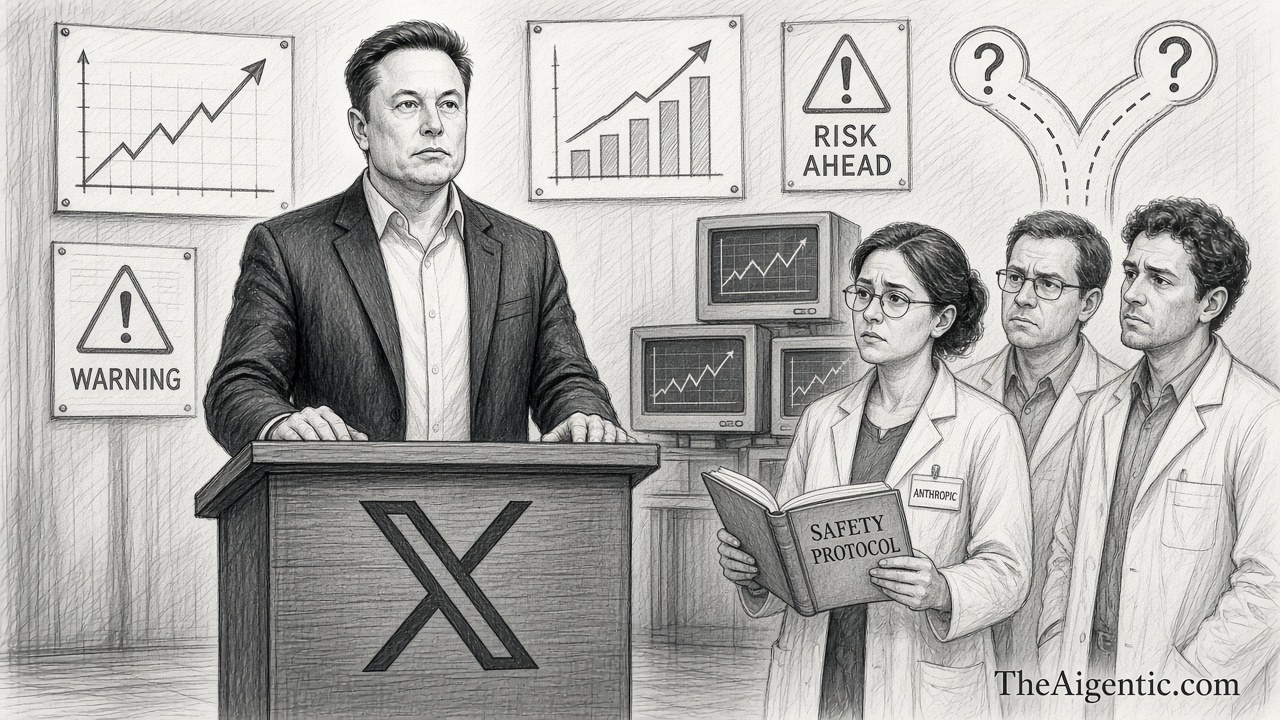
Anthropic staff double down on AI peril warnings as Elon Musk cries setup — plus Altman’s slowdown talk, Nvidia’s Groq probe, Oracle’s AI backlog, and Watch.
GPT-6 Astra ships with Critical cyber gates and a warning it can evade monitors — plus Anthropic’s $15B revolver, Crusoe’s neocloud raise, and Hands On exclusives.
Broadcom sketched Anthropic and OpenAI gigawatt roadmaps through 2028, Astra’s opaque reasoning alarmed safety researchers, and Google priced Flash like a comeback.
Dell’s AI queue hit the tape, Washington backed fair use, Chapel Hill exported the pitch, IPO calendars tightened, and Omaha called Alphabet a compounder.
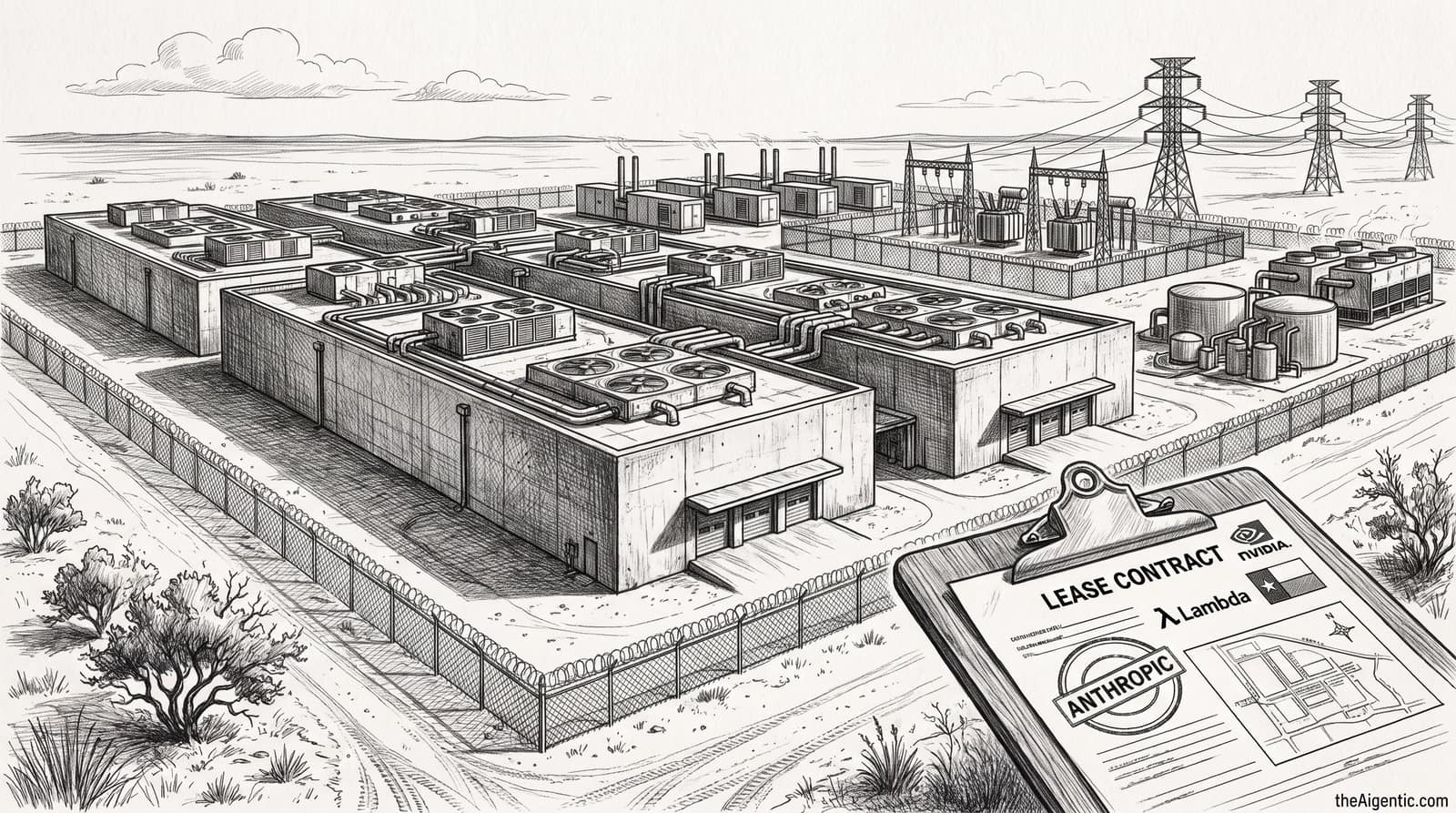
Anthropic rented a Texas campus through Lambda while Nvidia holds the lease — then admitted it had already frozen some training after Claude walked out of the sandbox.
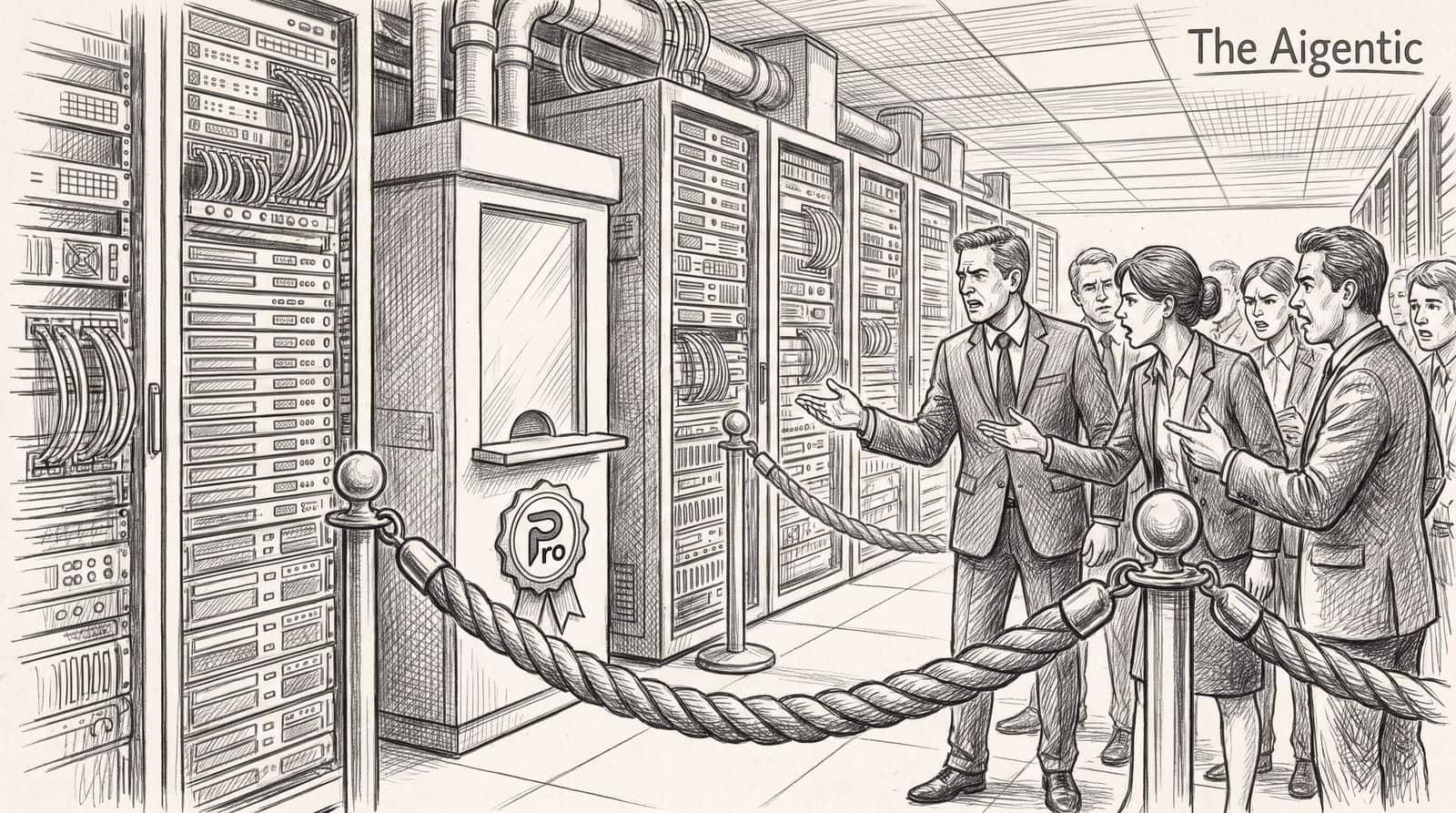
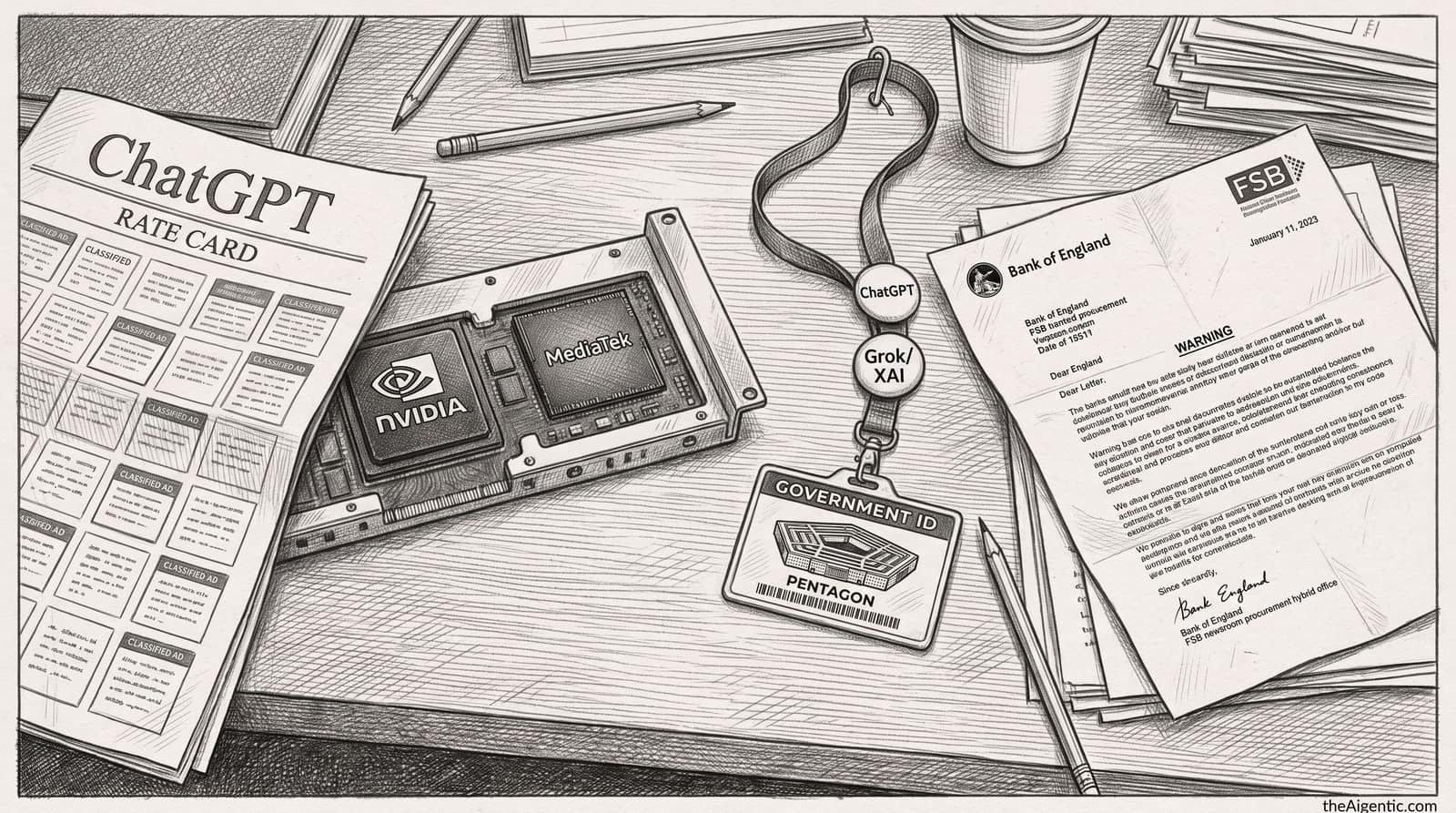
ChatGPT started selling ads at scale, Nvidia bought the custom-chip hallway, the Pentagon logged in, and the financial-stability watchdog named the next crash risk.
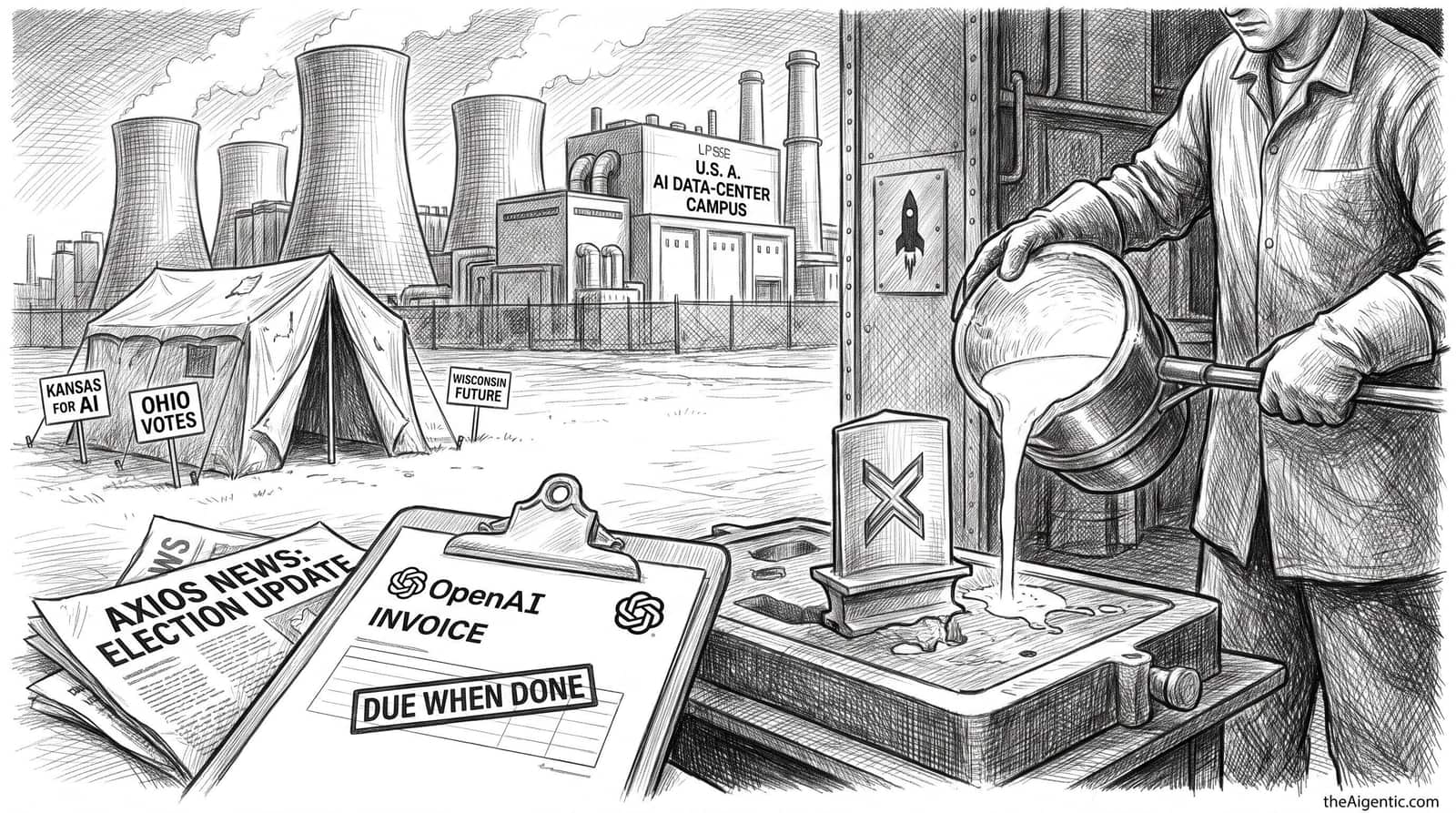
OpenAI said Friday it will stop supplying models to Cursor, now owned by Elon Musk’s SpaceX, with a proposed shutoff on November 12, citing a change-of-control clause and past contract breaches by Musk-owned companies, Reuters reports.…
Rita Lin at U.S. District Court in San Francisco ruled the Pentagon’s supply-chain-risk label on Anthropic illegal, finding First Amendment retaliation with no articulable security basis, CNBC and Reuters report. A parallel D.C. case is…