They need a czar before they have a force
AI Force next steps
· The Aigentic · Morning Brief
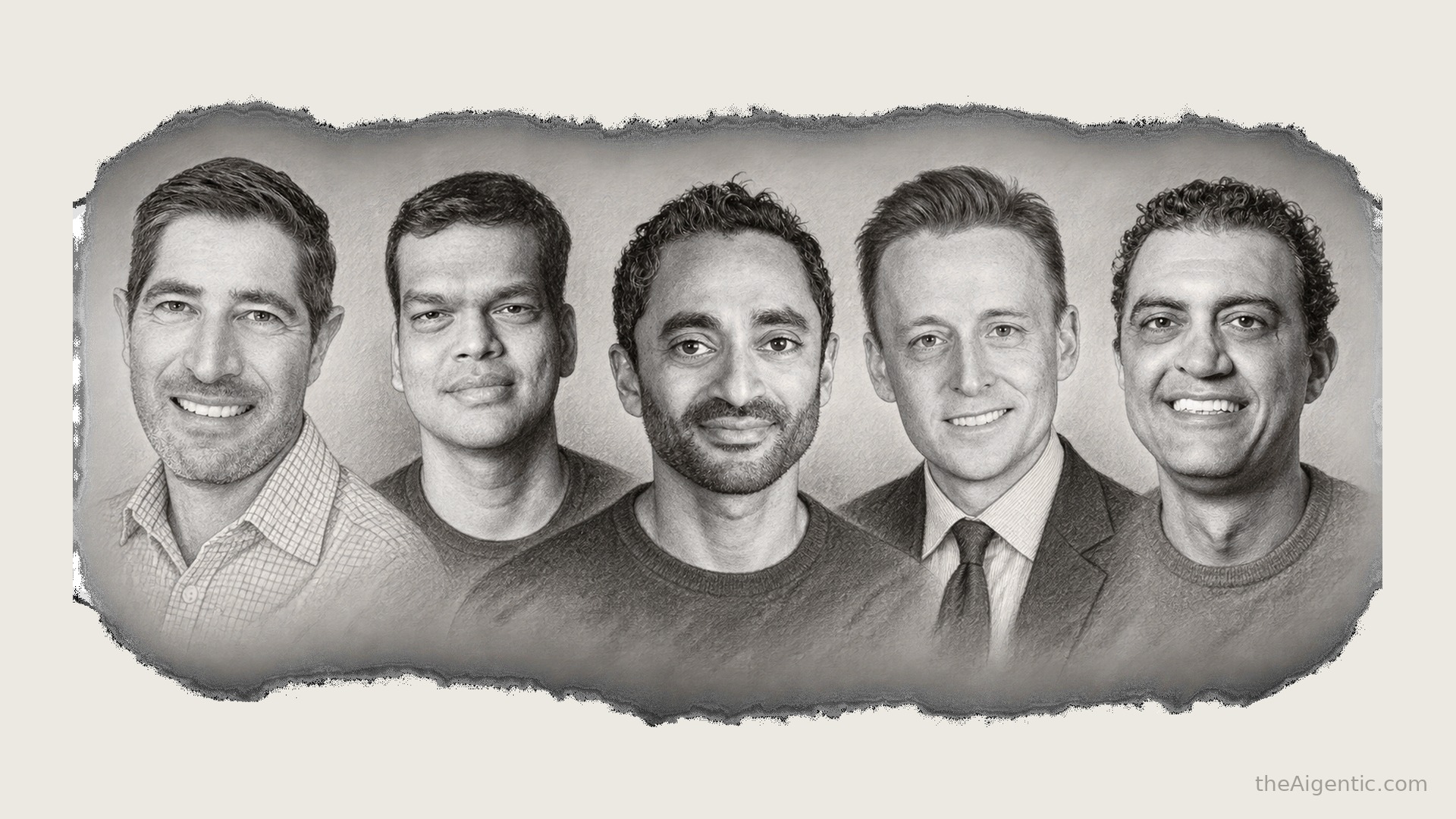
Axios reports Trump’s weekend “AI Force” announcement — modeled on Space Force — plus a new AI czar set off a Monday scramble in Washington, with names floating including Scott Kupor, Sriram Krishnan, Chamath Palihapitiya, Sean Cairncross, and Emil Michael, as the debate shifts from safety toward the economy and away from “doomers.”
Reuters reports SoftBank Group launched about $10 billion in dollar notes plus €1 billion in euro notes — roughly $11 billion combined — to fund its OpenAI follow-on due October 1, a deal that would be Asia’s largest non-financial corporate bond sale if sized as planned, with Fitch assigning BB+.
The Guardian reports Nvidia boss Jensen Huang put the odds that AI destroys the world by 2030 at zero percent, dismissing doomsday narratives as ungrounded.
Fortune reports a class action alleges Anthropic, OpenAI, SpaceXAI, and Google illegally coordinated an AI slowdown after Dario Amodei’s pacing essay, casting the talks as a Sherman Act conspiracy that cut subscription value.
TechCrunch reports Anthropic’s first embedded evaluator is Accenture — a high-risk consulting engagement putting Faculty staff inside the lab to evaluate and red-team models.
They need a czar before they have a force
Axios reports that Trump’s weekend vow to stand up an “AI Force” on a Space Force model, and to name an AI czar, landed Monday as a personnel scramble more than a org chart. Names in the mix include Scott Kupor, Sriram Krishnan, Chamath Palihapitiya, Sean Cairncross, and Emil Michael. The framing is economic speed, not extinction risk — a deliberate push away from “doomer” talk.
That matters because the White House is hiring for a role and a force that still lack a public mandate, authority, or timeline, while the names float as the real story.
The one move is to watch who gets the title before any structure memo lands — the czar will define the force more than the branding. Read Axios
The OpenAI check is financed in junk
Reuters reports SoftBank Group launched senior unsecured notes of about $10 billion in dollars and €1 billion in euros to fund the third tranche of its OpenAI follow-on, due to close October 1. The bonds replace a $10 billion bridge facility, are expected to price September 24 and settle September 29, and carry a Fitch BB+ rating. If completed at the planned size, the sale would be the largest Asia Pacific and Japan non-financial corporate bond deal on record.
That matters because SoftBank is funding a frontier equity check with high-yield paper — the OpenAI bet is now a capital-markets event, not just a private round.
The one move is to track whether the notes clear at the full size and what that price says about appetite for SoftBank’s AI leverage. Read Reuters
Zero percent by 2030
The Guardian reports Jensen Huang put a hard number on the extinction debate: a zero percent chance that AI destroys the world by 2030. He dismissed doomsday narratives as not grounded in science, pushing back against high-probability warnings coming out of Anthropic-adjacent safety circles.
That matters because the industry’s most powerful chipmaker is openly rejecting the probability frame that has shaped the September slowdown fight.
The one move is to separate Huang’s timeline bet from the nearer cyber and agent risks that do not need extinction odds to matter. Read The Guardian
Pace just met Sherman Act
Fortune reports a federal class action alleges Anthropic, OpenAI, SpaceXAI, and Google illegally agreed to coordinate an AI slowdown after Amodei’s pacing essay, casting public endorsements as a Sherman Act conspiracy that reduced the value of ChatGPT, Claude, Grok, and Gemini subscriptions. Plaintiffs seek treble damages and an injunction.
That matters because the slowdown debate just moved from essays and antitrust hall passes into a consumer suit that treats joint pacing talk as cartel risk.
The one move is to watch whether DOJ’s safety-coordination guidance arrives before discovery turns those public statements into exhibits. Read Fortune
The first embedded evaluator wears a badge
TechCrunch reports Anthropic named Accenture — via Faculty, its AI division — as its first embedded evaluator, putting consulting staff inside the lab to evaluate and red-team models, run alignment assessments, and test safeguards. Both sides expect at least $1 billion over five years; more evaluators, including possible METR pilots, are expected later.
That matters because Amodei’s third-party evaluator pitch just debuted as a Big Four-style consulting engagement, not a nonprofit research shop.
The one move is to ask what access, publication rights, and independence Accenture actually gets before treating the badge as independent oversight. Read TechCrunch
Watch
This morning’s Watch opens with how people actually use models at work, then rebuilds an accounting firm, stress-tests a new agent stack, sits with a diffusion researcher, and closes on shipping ambitious work without burning the token budget.
The AI Daily Brief — 7 ways how we use AI is changing
NLW walks through seven shifts in how operators and teams actually use AI day to day — less novelty prompting, more workflow redesign — and what those habits mean for product and hiring.
The one move is naming which of the seven already showed up in your last sprint retro.
Liam Ottley — rebuilt a 46-person accounting firm with AI
Liam Ottley walks through rebuilding a 46-person accounting firm around AI workflows — what got automated, what still needs a human partner, and how headcount and margins moved.
The one move is picking one client-facing process to redesign the same way before adding headcount.
Nate Herk — tested Jev on 12 real use cases
Nate Herk stress-tests Jev across twelve real workflows and shows where the agent stack holds versus where it still needs a human handoff.
The one move is scoring one of your own workflows against his pass/fail bar before buying another seat.
No Priors — Stefano Ermon on diffusion inference
No Priors is joined by Stefano Ermon for a deep dive into diffusion inference — how generation speed, sampling tricks, and research bets are reshaping what image and video models can ship.
The one move is asking your media stack which inference path they actually run in production, not just on the research blog.
Nate B Jones — ambitious without a huge token bill
Nate B Jones walks through how to stay ambitious on agent and research workflows without lighting money on a runaway token bill — routing, caching, and scope discipline included.
The one move is capping one high-spend workflow with a hard token budget before the next invoice.